
The digital era has transformed the way individuals, businesses, and governments collect, store, and share information. From online banking and cloud computing to social media and smart devices, enormous amounts of personal and business data are exchanged every day. While digital technologies offer convenience, efficiency, and innovation, they also create new risks related to data privacy and cybersecurity. Protecting sensitive information has become one of the biggest challenges for organizations and individuals worldwide.
As cyber threats continue to evolve, businesses must secure customer data while complying with increasingly strict privacy regulations. At the same time, individuals are expected to practice safe online habits to reduce the risk of identity theft, financial fraud, and unauthorized access to personal information. Understanding the connection between data privacy and cybersecurity is essential for navigating today’s digital world safely.
Why Data Privacy and Cybersecurity Matter
Data has become one of the world’s most valuable resources. Organizations use information to improve services, personalize customer experiences, and make informed business decisions. However, storing large amounts of sensitive data also attracts cybercriminals seeking financial gain or valuable information.
Strong cybersecurity protects systems, networks, and digital assets from attacks, while data privacy focuses on ensuring that personal information is collected, stored, and used responsibly. Together, these two areas help build trust, reduce business risks, and support long-term digital growth.
Increasing Data Breaches
Data breaches remain one of the most significant cybersecurity challenges facing organizations today. Cybercriminals target businesses to steal customer records, financial information, healthcare data, intellectual property, and login credentials.
A successful breach can result in financial losses, legal consequences, reputational damage, and reduced customer confidence. Organizations must implement strong security controls and continuously monitor their systems to minimize the risk of unauthorized access.
Growing Sophistication of Cyberattacks
Cyberattacks are becoming more advanced as attackers use automation, artificial intelligence, and sophisticated social engineering techniques to bypass traditional security measures.
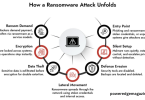
Modern threats include ransomware, phishing campaigns, malware, credential theft, supply chain attacks, and cloud-based security incidents. Businesses must constantly adapt their cybersecurity strategies to stay ahead of these evolving threats.
Challenges of Cloud Computing
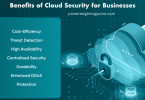
Cloud technology provides flexibility and scalability, but it also introduces new security concerns. Organizations often store sensitive information across multiple cloud platforms, increasing the importance of strong access controls, encryption, and continuous monitoring.
Misconfigured cloud services remain one of the leading causes of accidental data exposure, making proper cloud security management essential.
Remote Work Security Risks
Remote and hybrid work environments have expanded the number of devices accessing business systems. Employees often connect through home networks, mobile devices, and public internet connections, creating additional opportunities for cybercriminals.
Organizations must secure remote access through encryption, multi-factor authentication, endpoint protection, and employee awareness training to reduce potential risks.
Identity Theft and Personal Privacy
Individuals face growing risks from identity theft as more personal information becomes available online. Criminals may steal sensitive data through phishing attacks, malware, unsecured websites, or data breaches.
Protecting personal privacy requires strong passwords, secure authentication methods, cautious online behavior, and regular monitoring of financial accounts and digital identities.
Regulatory Compliance Continues to Expand
Governments around the world continue introducing stronger privacy regulations to protect consumer information. Organizations are expected to collect only necessary data, store it securely, provide transparency, and respond appropriately to security incidents.
Meeting compliance requirements has become an important part of modern cybersecurity and risk management strategies.
Artificial Intelligence Creates New Opportunities and Risks
Artificial intelligence is improving cybersecurity by helping organizations detect threats faster, automate security monitoring, and identify unusual behavior. At the same time, cybercriminals are also using AI to generate convincing phishing emails, automate attacks, and identify security weaknesses more efficiently.
Businesses must continue investing in advanced security technologies while remaining aware of new risks created by emerging technologies.
Human Error Remains a Major Challenge
Despite advances in security technology, human error continues to contribute to many cybersecurity incidents. Employees may accidentally click malicious links, reuse weak passwords, share confidential information, or misconfigure important systems.
Regular cybersecurity awareness training helps employees recognize common threats and follow safer digital practices.
Internet of Things Expands the Attack Surface
Smart devices are increasingly used in homes, healthcare, manufacturing, transportation, and business environments. While these connected devices improve efficiency, they also create additional entry points for attackers if not properly secured.
Organizations must regularly update connected devices, implement strong authentication, and monitor network activity to reduce IoT-related risks.
Building a Strong Data Protection Strategy
Organizations should develop comprehensive security strategies that combine technology, policies, and employee education. Strong identity management, encryption, regular software updates, secure backups, vulnerability assessments, and continuous monitoring all contribute to protecting sensitive information.
Creating a culture where cybersecurity and privacy are shared responsibilities significantly improves long-term organizational resilience.
The Future of Data Privacy and Cybersecurity
As digital transformation continues, cybersecurity and data privacy will become even more closely connected. Organizations will increasingly adopt artificial intelligence, Zero Trust security models, privacy-enhancing technologies, and automated threat detection to protect valuable information.
Future success will depend on balancing innovation with responsible data management while adapting quickly to emerging cyber threats and evolving privacy expectations.
Frequently Asked Questions
What is the difference between data privacy and cybersecurity?
Data privacy focuses on how personal information is collected, stored, shared, and used, while cybersecurity protects systems, networks, and digital assets from cyber threats and unauthorized access.
Why is data privacy important?
Data privacy helps protect personal information, reduces identity theft risks, builds customer trust, and supports compliance with legal and regulatory requirements.
What are the biggest cybersecurity challenges today?
Major challenges include ransomware, phishing attacks, cloud security risks, data breaches, insider threats, artificial intelligence-powered attacks, and remote work security.
How can businesses improve data privacy?
Organizations should implement strong access controls, encrypt sensitive information, train employees, regularly update systems, monitor networks, and follow applicable privacy regulations.
How can individuals protect their personal data?
Individuals should use strong passwords, enable multi-factor authentication, avoid suspicious links, keep software updated, review privacy settings, and monitor financial accounts regularly.
Conclusion
Data privacy and cybersecurity have become essential foundations of the modern digital economy. As organizations and individuals continue relying on digital technologies, they face increasingly sophisticated cyber threats and growing expectations for responsible data protection. By combining strong cybersecurity practices, effective privacy policies, employee awareness, and continuous technological improvement, businesses can protect valuable information while maintaining customer trust. Likewise, individuals who adopt safe online habits can significantly reduce their exposure to cyber risks and enjoy the benefits of the digital era with greater confidence.