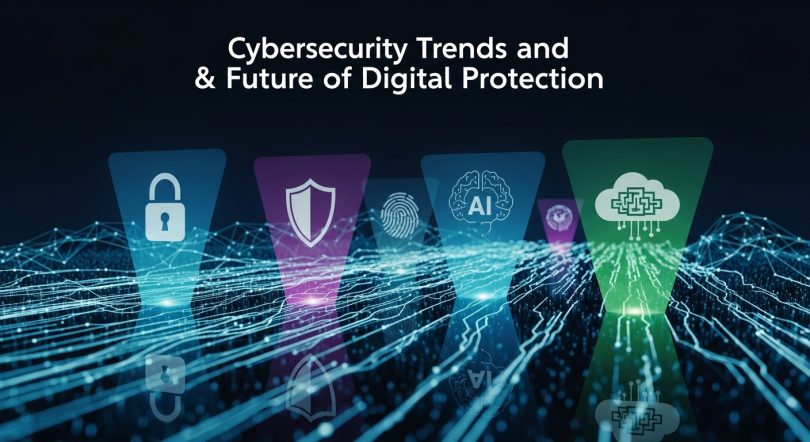

Modern cybersecurity is becoming one of the most critical parts of the digital world as threats, data breaches, and cyberattacks continue to increase globally. With rapid digital transformation, organizations and individuals depend on secure systems to protect sensitive information. The future of digital protection is driven by advanced technologies, automation, artificial intelligence, and stronger global security frameworks designed to counter evolving cyber risks.
Artificial Intelligence in Cybersecurity
AI Threat Detection Systems
AI threat detection systems analyze large volumes of data to identify unusual behavior and potential cyber threats in real time. These systems help organizations respond faster to attacks, reduce damage, and improve overall digital security by continuously learning from new threat patterns.
Machine Learning Security Models
Machine learning security models improve cybersecurity by recognizing patterns in cyberattacks and predicting future risks. They adapt automatically to new threats, making security systems smarter and more efficient. This helps organizations prevent attacks before they cause serious damage.
Automated Incident Response
Automated incident response systems quickly react to cyber threats without human intervention. They isolate affected systems, block malicious activity, and reduce response time. This improves efficiency and minimizes the impact of security breaches across digital networks.
Behavioral Analysis Technology
Behavioral analysis technology studies user behavior to detect abnormal activities that may indicate cyber threats. It helps identify insider threats and unauthorized access attempts, improving overall system protection and enhancing security awareness within organizations.
Predictive Cyber Defense
Predictive cyber defense uses AI to forecast potential cyberattacks before they occur. By analyzing past data and trends, it helps organizations strengthen defenses in advance and reduce the likelihood of successful attacks in digital environments.
Cloud Security Advancements
Data Encryption Standards
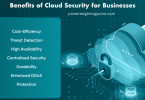
Data encryption standards protect sensitive information by converting it into secure code that only authorized users can access. This ensures privacy and prevents data leaks during storage and transmission across cloud systems.
Identity Access Control
Identity access control systems manage who can access digital resources. They ensure that only authorized users can enter systems, reducing the risk of unauthorized access and improving overall cybersecurity protection in cloud environments.
Secure Cloud Architecture
Secure cloud architecture focuses on designing cloud systems with strong security layers. It includes firewalls, encryption, and monitoring tools to protect data and applications from cyber threats and unauthorized access.
Multi Layer Security Systems
Multi layer security systems provide multiple levels of protection against cyberattacks. If one layer fails, others continue to protect the system. This strengthens overall defense and reduces vulnerability in digital infrastructure.
Cloud Threat Monitoring
Cloud threat monitoring continuously tracks suspicious activities in cloud environments. It helps detect and respond to cyber threats quickly, ensuring system stability and protecting sensitive business and personal data.
Ransomware and Cyber Attacks
Ransomware Attack Growth
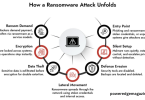
Ransomware attacks are increasing globally as hackers target organizations and demand payment to unlock data. These attacks disrupt business operations and cause financial losses, making strong cybersecurity essential for protection.
Phishing Attack Prevention
Phishing attacks trick users into sharing sensitive information through fake emails or websites. Prevention involves awareness training, email filtering, and security tools that detect and block suspicious communication attempts.
Malware Detection Systems
Malware detection systems identify and remove harmful software from devices and networks. They protect systems from viruses, spyware, and trojans that can damage data and compromise security.
Cyber Extortion Trends
Cyber extortion involves hackers demanding money in exchange for not exposing or damaging data. This growing threat requires strong defense systems and proactive monitoring to protect organizations from financial and reputational loss.
Incident Recovery Planning
Incident recovery planning ensures quick restoration of systems after a cyberattack. It includes backup systems, recovery protocols, and response strategies to minimize downtime and restore normal operations efficiently.
Blockchain and Security Innovation
Decentralized Security Models
Decentralized security models reduce reliance on central systems by distributing data across networks. This makes it harder for hackers to attack and improves data protection and transparency.
Blockchain Data Protection
Blockchain technology protects data using secure and unchangeable records. It ensures transparency and prevents unauthorized changes, making it highly useful for financial and sensitive data protection.
Smart Contract Security
Smart contract security ensures that automated blockchain agreements work safely without vulnerabilities. It prevents fraud and ensures transactions are executed correctly and securely.
Distributed Ledger Safety
Distributed ledger systems store data across multiple nodes, making it secure and tamper-resistant. This improves trust, transparency, and security in digital transactions.
Crypto Security Measures
Crypto security measures protect digital currencies from hacking and theft. They include encryption, secure wallets, and authentication systems to ensure safe financial transactions.
Network Security Evolution
Firewall Protection Systems
Firewall systems act as barriers between trusted and untrusted networks. They monitor and control incoming and outgoing traffic to prevent unauthorized access and cyber threats.
Intrusion Detection Tools
Intrusion detection tools identify suspicious activities in networks and alert administrators. They help prevent cyberattacks and improve real-time security monitoring.
Zero Trust Architecture
Zero trust architecture assumes no user or system is trusted by default. It requires continuous verification, improving security across networks and reducing risks.
VPN Security Usage
VPNs create secure connections over public networks by encrypting data. They protect privacy and prevent unauthorized access during online activities.
Network Traffic Analysis
Network traffic analysis monitors data flow across systems to detect abnormalities. It helps identify threats early and maintain secure communication channels.
Privacy and Data Protection
Personal Data Security
Personal data security focuses on protecting user information from unauthorized access and misuse. It includes encryption, secure storage, and strict access controls.
Data Privacy Regulations
Data privacy regulations enforce rules for handling personal information. They ensure companies protect user data and follow legal standards for privacy protection.
Secure Authentication Methods
Secure authentication methods verify user identity using passwords, biometrics, and multi-factor authentication. They reduce the risk of unauthorized access.
Information Protection Policies
Information protection policies define rules for securing sensitive data within organizations. They ensure proper handling, storage, and sharing of information.
Digital Privacy Awareness
Digital privacy awareness educates users about online risks and safe practices. It helps individuals protect their data and avoid cyber threats.
Future of Cybersecurity
Quantum Encryption Technology
Quantum encryption uses advanced physics to create highly secure communication systems. It is expected to revolutionize data protection in the future.
AI Driven Security Systems
AI driven security systems will automatically detect and respond to cyber threats faster and more accurately than traditional systems.
Autonomous Cyber Defense
Autonomous cyber defense systems will operate without human intervention, providing real-time protection against evolving cyber threats.
Advanced Threat Intelligence
Advanced threat intelligence analyzes global cyberattack data to predict future threats and improve defense strategies.
Global Cyber Cooperation
Global cyber cooperation involves countries working together to fight cybercrime and strengthen international digital security.
FAQs
What is cybersecurity?
Cybersecurity is the protection of systems, networks, and data from digital attacks.
Why is cybersecurity important?
It protects sensitive information and prevents financial and data loss.
What is ransomware?
Ransomware is malware that locks data and demands payment for access.
How does AI help cybersecurity?
AI detects threats faster and improves security response systems.
What is zero trust security?
Zero trust means no user is trusted without verification.
Conclusion
Cybersecurity is evolving rapidly with AI, blockchain, cloud protection, and advanced threat detection systems shaping the future of digital defense. As cyber threats become more complex, organizations must adopt smarter and more proactive security strategies. The future of digital protection depends on automation, intelligence, and global cooperation to ensure a safe, secure, and resilient digital world for everyone.