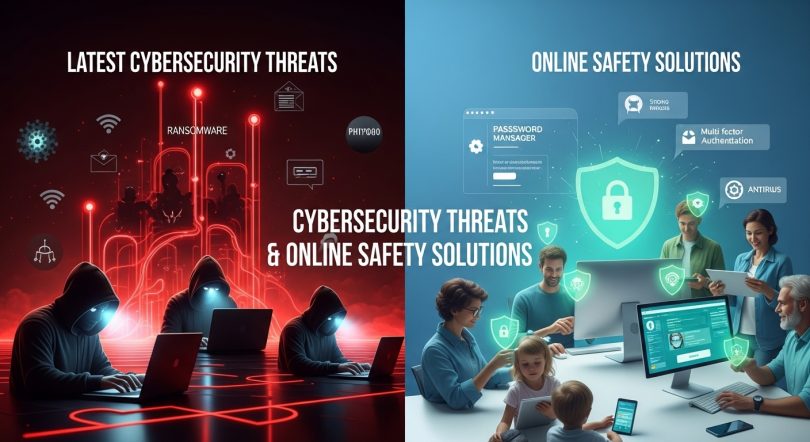

Cybersecurity has become one of the most critical concerns in the digital world as businesses, governments, and individuals increasingly rely on online systems. With rising cyberattacks, data breaches, and ransomware incidents, protecting digital infrastructure is more important than ever. Modern cybersecurity focuses on prevention, detection, and rapid response to safeguard sensitive information and ensure safe digital environments globally.
Rising Cybersecurity Threat Landscape
Ransomware Attacks Increase
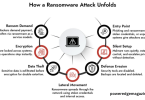
Ransomware attacks are becoming more sophisticated, targeting organizations by encrypting critical data and demanding payment for recovery. These attacks disrupt business operations, cause financial losses, and damage reputations. Companies are investing heavily in backup systems and incident response strategies to minimize risks and recover quickly.
Phishing Scam Evolution
Phishing scams have evolved into highly convincing attacks that use fake emails, websites, and messages to steal sensitive information. Cybercriminals now use social engineering techniques to trick users into revealing passwords or financial data. Awareness and training are essential to prevent these increasingly deceptive threats.
Data Breach Incidents
Data breaches are rising globally as hackers target databases containing personal, financial, and corporate information. These incidents expose millions of users to identity theft and fraud. Organizations are strengthening encryption and access controls to protect sensitive data from unauthorized access and exploitation.
Zero-Day Vulnerabilities
Zero-day vulnerabilities are security flaws that are exploited by attackers before developers can fix them. These threats are particularly dangerous because they are unknown to software providers. Cybersecurity teams constantly monitor systems and release emergency patches to reduce exposure and prevent attacks.
Advanced Persistent Threats
Advanced persistent threats involve long-term targeted cyberattacks where hackers secretly infiltrate systems to steal data over time. These attacks are often state-sponsored and highly sophisticated. Organizations use advanced monitoring tools and threat intelligence systems to detect and neutralize such hidden intrusions.
Digital Security Solutions
Multi-Factor Authentication
Multi-factor authentication adds an extra layer of security by requiring multiple verification steps such as passwords, OTPs, or biometrics. This significantly reduces the risk of unauthorized access even if login credentials are compromised. It is widely used across banking, email, and enterprise systems.
Encryption Technologies
Encryption technologies protect data by converting it into unreadable formats that can only be accessed with decryption keys. This ensures secure communication and storage of sensitive information. Modern encryption standards are essential for protecting financial transactions and personal data online.
Firewall Protection Systems
Firewall systems act as barriers between trusted internal networks and external threats. They monitor incoming and outgoing traffic to block suspicious activities. Firewalls are essential for preventing unauthorized access and ensuring network security in both personal and corporate environments.
Endpoint Security Tools
Endpoint security tools protect devices such as laptops, smartphones, and servers from malware and cyber threats. These tools monitor device activity, detect suspicious behavior, and block harmful software. They are crucial for organizations with remote and hybrid work environments.
Intrusion Detection Systems
Intrusion detection systems monitor network traffic for unusual activity and potential cyberattacks. They alert administrators in real time, allowing quick response to threats. These systems are vital for identifying breaches early and minimizing damage to digital infrastructure.
Online Privacy Protection Methods
Secure Browsing Practices
Secure browsing practices include using HTTPS websites, avoiding suspicious links, and ensuring safe internet usage. These habits reduce exposure to malicious websites and protect personal information from being stolen during online activities.
VPN Usage Benefits
VPNs (Virtual Private Networks) encrypt internet connections and hide user IP addresses, providing privacy and security online. They are widely used to access restricted content safely and protect data from hackers on public networks.
Password Management Systems
Password management systems help users create and store strong, unique passwords for different accounts. They reduce the risk of password reuse and improve overall account security. These tools often include encryption and secure vault features.
Data Privacy Settings
Data privacy settings allow users to control how their personal information is shared online. Adjusting these settings on social media and apps helps reduce data exposure and protects user identity from misuse or tracking.
Secure Cloud Storage
Secure cloud storage ensures that files are safely stored with encryption and access controls. It protects data from unauthorized access and provides backup options, reducing the risk of data loss during cyber incidents.
Cybersecurity in Business Systems
Corporate Security Policies
Corporate security policies define rules and procedures for protecting business data and systems. They guide employee behavior and ensure consistent security practices across organizations to reduce cyber risks effectively.
Employee Security Training
Employee training programs educate staff about cybersecurity threats such as phishing and malware. Awareness reduces human error, which is one of the leading causes of cyber incidents in organizations.
Network Monitoring Systems
Network monitoring systems continuously track digital traffic to detect suspicious activities. They help organizations identify threats early and respond quickly to prevent potential breaches or data loss.
Cloud Security Management
Cloud security management focuses on protecting data stored in cloud environments through encryption, access control, and monitoring. It ensures safe use of cloud platforms for business operations.
Incident Response Planning
Incident response planning prepares organizations to react quickly to cyberattacks. It includes detection, containment, recovery, and reporting procedures to minimize damage and restore operations efficiently.
Mobile and Personal Security Risks
Mobile Malware Threats
Mobile malware is increasing as attackers target smartphones through malicious apps and downloads. These threats can steal data, track activity, and damage devices if not properly protected.
App Permission Risks
Many mobile apps request excessive permissions that can compromise user privacy. Users must carefully review and limit permissions to prevent unauthorized access to sensitive information.
Public Wi-Fi Dangers
Public Wi-Fi networks are often insecure and vulnerable to hacking. Cybercriminals can intercept data on these networks, making it important to use VPNs for protection.
Identity Theft Protection
Identity theft protection involves safeguarding personal information such as ID numbers, passwords, and financial details. Monitoring tools and secure practices help prevent misuse of identity data.
Social Media Security
Social media platforms can expose users to scams and data leaks. Strong privacy settings and cautious sharing help reduce risks and protect personal information online.
Emerging Cybersecurity Technologies
Artificial Intelligence Security
AI-based cybersecurity systems detect threats faster by analyzing patterns and identifying anomalies in real time. They improve response speed and accuracy in preventing cyberattacks.
Behavioral Analytics Tools
Behavioral analytics tools monitor user activity to detect unusual behavior that may indicate security threats. This helps identify insider attacks and compromised accounts early.
Blockchain Security Systems
Blockchain technology enhances security by creating decentralized and tamper-proof data records. It is increasingly used in secure transactions and identity verification systems.
Quantum Encryption Development
Quantum encryption represents the future of cybersecurity by offering highly secure communication methods based on quantum physics principles. It aims to make data virtually unhackable.
Automated Threat Response
Automated threat response systems quickly detect and neutralize cyber threats without human intervention. This reduces reaction time and minimizes damage during cyber incidents.
Future of Online Safety
Cybersecurity Regulations Growth
Governments are strengthening cybersecurity regulations to protect data privacy and ensure compliance. These laws help improve global digital safety standards.
Digital Identity Protection
Digital identity protection systems are evolving to secure online identities through biometrics and advanced authentication methods. This reduces identity fraud risks.
Smart Security Ecosystems
Smart security ecosystems integrate multiple technologies such as AI, IoT, and cloud security for comprehensive protection against cyber threats.
Global Cyber Defense Cooperation
Countries are collaborating on cybersecurity initiatives to fight global cybercrime. Information sharing improves threat detection and response strategies worldwide.
Continuous Security Innovation
Cybersecurity continues to evolve with new technologies and innovations designed to counter advanced cyber threats and protect digital infrastructure globally.
FAQs
What is the biggest cybersecurity threat today?
Ransomware and phishing attacks are currently among the biggest cybersecurity threats worldwide.
How can I protect my online accounts?
Use strong passwords, multi-factor authentication, and avoid suspicious links.
What is a VPN used for?
A VPN encrypts your internet connection and protects your privacy online.
Why is cybersecurity important for businesses?
It protects sensitive data, prevents financial loss, and ensures operational continuity.
Can antivirus software stop all cyber threats?
No, but it significantly reduces risks when combined with safe online practices.
Conclusion
Cybersecurity threats are rapidly evolving, making online safety more important than ever for individuals and organizations. By using advanced security tools, strong privacy practices, and awareness strategies, users can significantly reduce risks. As technology grows, continuous innovation in cybersecurity will play a vital role in protecting digital systems, ensuring safer and more secure online environments worldwide today.