
Ransomware has become one of the most serious cybersecurity threats facing organizations worldwide. Businesses of every size and industry are increasingly targeted by cybercriminals who encrypt critical data or systems and demand payment for their release. Beyond the financial cost, ransomware attacks can interrupt operations, damage customer trust, expose sensitive information, and create long-term reputational harm. As companies continue to expand their digital infrastructure, ransomware remains a growing challenge that requires constant attention.
The rapid growth of cloud computing, remote work, and interconnected business systems has created more opportunities for attackers to exploit security weaknesses. Modern ransomware campaigns are often carefully planned, targeting organizations with valuable data and essential operations. Understanding how these attacks affect businesses is essential for developing stronger cybersecurity strategies and improving organizational resilience.
Why Ransomware Is a Growing Global Threat
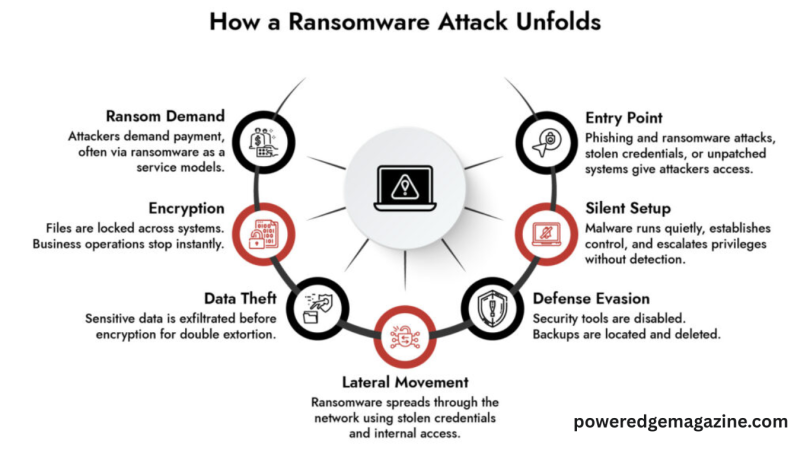
Cybercriminals continue to improve their techniques, making ransomware attacks more sophisticated and difficult to detect. Instead of simply encrypting files, many attackers now steal confidential information before locking systems, increasing pressure on victims to pay a ransom. This tactic creates both operational disruption and the threat of public data exposure.
Businesses have become attractive targets because many organizations depend heavily on digital systems for daily operations. Even a few hours of downtime can result in lost revenue, delayed services, damaged customer relationships, and significant recovery costs. As digital transformation continues across industries, ransomware remains one of the most profitable forms of cybercrime.
Financial Losses Continue to Rise
One of the most immediate consequences of a ransomware attack is financial damage. Organizations often face expenses related to system recovery, cybersecurity investigations, legal services, customer notifications, and business interruption. Even if a ransom is never paid, restoring systems and rebuilding infrastructure can require substantial investment.
For many businesses, indirect costs exceed the ransom demand itself. Lost productivity, delayed projects, reduced sales, and reputational damage may continue affecting the organization long after technical recovery is complete.
Business Operations Can Come to a Standstill
Ransomware attacks frequently interrupt essential business activities by preventing employees from accessing files, applications, and internal systems. Manufacturing facilities may halt production, healthcare providers may experience service delays, and financial institutions may temporarily suspend customer services while investigating the incident.
Operational disruption often extends beyond the initial attack because organizations must carefully inspect systems before safely restoring normal operations.
Customer Trust May Be Damaged
Customers expect organizations to protect personal and financial information. When ransomware attacks involve stolen or exposed data, confidence in the affected business may decline significantly.
Rebuilding trust requires transparent communication, strong security improvements, and ongoing efforts to demonstrate that customer information is being protected effectively.
Supply Chains Are Also at Risk
Modern businesses rely on complex digital supply chains involving vendors, cloud providers, software partners, and third-party service providers. A ransomware attack targeting one organization can indirectly affect many connected businesses.
Supply chain disruptions may delay product delivery, interrupt customer services, and create additional financial losses throughout entire industries.
Remote Work Creates Additional Challenges
Remote and hybrid work environments have expanded the number of devices and networks connected to business systems. Employees working outside traditional office environments may unknowingly increase cybersecurity risks through unsecured networks, outdated software, or phishing attacks.
Organizations must secure remote access while educating employees about safe cybersecurity practices to reduce ransomware exposure.
Small Businesses Are Increasingly Targeted
Large corporations often receive significant media attention after ransomware incidents, but small and medium-sized businesses are also frequent targets. Smaller organizations may have limited cybersecurity resources, making them attractive opportunities for attackers.
Investing in employee training, software updates, secure backups, and access controls can significantly improve protection regardless of company size.
Employee Awareness Plays a Critical Role
Many ransomware attacks begin with phishing emails or other forms of social engineering. Employees who recognize suspicious messages, verify unexpected requests, and avoid unsafe downloads provide an important first line of defense.
Regular cybersecurity awareness programs help reduce human error and strengthen organizational security.
Backup and Recovery Are Essential
Reliable data backups remain one of the most effective defenses against ransomware. Organizations that maintain secure, regularly tested backups can often restore systems without relying on attackers for decryption.
Recovery planning should include clearly documented procedures, disaster recovery testing, and business continuity planning to minimize downtime.
Governments and Regulations Are Responding
Governments around the world are strengthening cybersecurity regulations and encouraging organizations to improve digital resilience. Many industries now face stricter reporting requirements following significant cyber incidents.
Businesses are increasingly expected to implement stronger security controls, conduct regular risk assessments, and protect sensitive customer information according to evolving legal standards.
Artificial Intelligence Is Changing the Threat Landscape
Artificial intelligence is influencing both cybersecurity defenses and cyberattacks. Security teams use AI to identify suspicious behavior, detect threats, and automate incident response more efficiently.
At the same time, attackers are using AI to generate more convincing phishing campaigns, automate malicious activities, and identify vulnerabilities more quickly. This ongoing technological competition continues to shape the future of ransomware defense.
Building Stronger Cybersecurity Strategies
Organizations are adopting layered security strategies to reduce ransomware risks. Strong identity management, multi-factor authentication, endpoint protection, network monitoring, employee education, regular software updates, and secure backups all contribute to a more resilient security posture.
No single solution completely eliminates ransomware risk, but combining multiple security measures significantly improves protection and recovery capabilities.
Frequently Asked Questions
What is ransomware?
Ransomware is a type of malicious software that encrypts files or systems and demands payment to restore access. Some attacks also involve stealing sensitive data before encryption.
Why are ransomware attacks increasing?
Attackers continue developing more advanced techniques while businesses rely more heavily on digital systems, making ransomware an increasingly profitable form of cybercrime.
How do ransomware attacks affect businesses?
They can cause financial losses, operational disruption, data breaches, reputational damage, regulatory challenges, and reduced customer trust.
Can ransomware attacks be prevented?
While no organization can eliminate every risk, strong cybersecurity practices such as employee training, regular updates, multi-factor authentication, secure backups, and continuous monitoring greatly reduce the likelihood and impact of attacks.
Why are backups important during ransomware attacks?
Secure backups allow organizations to restore important data and resume operations more quickly without depending on attackers to recover encrypted files.
Conclusion
Ransomware attacks have become one of the most disruptive cybersecurity threats affecting businesses worldwide. Their impact extends far beyond encrypted files, influencing financial performance, operational stability, customer trust, and long-term business resilience. As cybercriminals continue to refine their methods, organizations must strengthen their cybersecurity strategies through employee awareness, modern security technologies, reliable backups, and proactive risk management. Businesses that invest in prevention, detection, and recovery are far better positioned to withstand ransomware attacks and protect their operations in an increasingly connected digital world.