
As our lives become increasingly connected through smartphones, computers, cloud services, and smart devices, cybersecurity has become a fundamental part of everyday life. From online banking and remote work to social media and digital shopping, people constantly share personal information across the internet. While technology offers convenience and efficiency, it also creates opportunities for cybercriminals to exploit vulnerabilities. This is why cybersecurity awareness is more important than ever.
Understanding common online threats and adopting safe digital habits can significantly reduce the risk of cyberattacks. Whether you are an individual, student, employee, or business owner, cybersecurity awareness helps protect sensitive information, financial assets, and personal privacy.
What Is Cybersecurity Awareness?
Cybersecurity awareness is the knowledge and understanding of online threats, security best practices, and responsible digital behavior.
It involves recognizing potential risks such as phishing emails, malware, ransomware, identity theft, and fraudulent websites while knowing how to respond appropriately.
Cybersecurity awareness is not limited to IT professionals. Every internet user plays an important role in maintaining digital security.
Why Cybersecurity Is More Important Today
The digital world continues to expand rapidly, increasing both opportunities and cyber risks.
Modern users depend on online services for communication, education, healthcare, banking, entertainment, and business operations. As digital activity grows, attackers develop increasingly sophisticated methods to target individuals and organizations.
Cybersecurity awareness helps people identify threats before they become serious problems.
Common Cybersecurity Threats
Understanding today’s most common threats is the first step toward staying protected.
Phishing Attacks
Phishing scams attempt to trick users into revealing passwords, financial details, or personal information through fake emails, text messages, or websites.
Learning to verify links, email addresses, and unexpected requests helps reduce this risk.
Malware
Malicious software can infect devices through unsafe downloads, compromised websites, or infected email attachments.
Malware may steal information, damage files, or give attackers unauthorized access to systems.
Ransomware
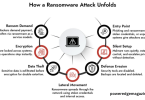
Ransomware encrypts files and demands payment to restore access.
Regular backups and updated security software can help reduce its impact.
Identity Theft
Cybercriminals may steal personal information to open accounts, make purchases, or commit fraud.
Protecting sensitive data and using strong authentication methods helps prevent identity theft.
Data Breaches
Organizations may experience security incidents that expose customer information.
Using unique passwords and monitoring financial accounts can reduce the impact of compromised credentials.
Benefits of Cybersecurity Awareness
Developing cybersecurity knowledge offers numerous advantages.
Protects Personal Information
Safe online practices help prevent unauthorized access to sensitive personal and financial data.
Reduces Financial Risk
Recognizing scams and suspicious activity helps users avoid fraud and financial losses.
Improves Privacy
Understanding privacy settings and secure browsing habits protects personal information from unnecessary exposure.
Supports Business Security
Employees who understand cybersecurity best practices reduce the likelihood of security incidents within organizations.
Builds Digital Confidence
Knowing how to identify online threats allows users to navigate the internet more safely and confidently.
Essential Cybersecurity Best Practices
Following simple security habits can significantly improve online safety.
Use Strong Passwords
Create long, unique passwords for every account.
Avoid reusing passwords across multiple websites.
Consider using a reputable password manager to generate and store complex passwords securely.
Enable Multi-Factor Authentication
Multi-factor authentication adds an extra layer of protection by requiring a second verification method in addition to a password.
This greatly reduces the risk of unauthorized account access.
Keep Software Updated
Install operating system, browser, and application updates promptly.
Many updates include security patches that fix known vulnerabilities.
Be Careful with Emails and Links
Avoid clicking suspicious links or downloading unexpected attachments.
Verify the sender before responding to requests involving personal or financial information.
Back Up Important Data
Regular backups help recover important files if a device is compromised by malware or hardware failure.
Maintain both local and cloud backups when possible.
Use Trusted Security Software
Reliable antivirus and endpoint security tools help detect and block many common threats.
Keep security software updated for the best protection.
Cybersecurity for Businesses
Organizations face increasingly sophisticated cyber threats that can disrupt operations and damage customer trust.
Businesses should invest in:
- Employee cybersecurity awareness training
- Strong access controls
- Regular software updates
- Secure data backups
- Network monitoring
- Incident response planning
- Data encryption
- Security assessments
A combination of technology and employee education provides stronger protection than either approach alone.
Cybersecurity for Remote Work
Remote work has expanded the need for secure digital practices.
Employees working from home should:
- Use secure Wi-Fi networks.
- Connect through trusted virtual private networks (VPNs) when appropriate.
- Lock devices when away.
- Avoid using personal devices for sensitive business work unless permitted.
- Keep work software updated.
- Report suspicious activity immediately.
These habits reduce risks associated with distributed work environments.
Emerging Cybersecurity Challenges
Technology continues to evolve, bringing new security considerations.
Artificial Intelligence
AI improves cybersecurity by identifying threats more quickly, but attackers may also use AI to create more convincing scams and automate attacks.
Internet of Things (IoT)
Connected devices such as smart home products increase convenience but also expand the number of potential attack points if not properly secured.
Cloud Security
As more organizations move to cloud services, protecting cloud infrastructure and access credentials becomes increasingly important.
Social Engineering
Attackers increasingly manipulate human behavior rather than relying solely on technical vulnerabilities.
Awareness and critical thinking remain essential defenses.
Building a Cybersecurity Culture
Cybersecurity is most effective when it becomes part of everyday behavior rather than an occasional concern.
Individuals should stay informed about emerging threats, practice safe online habits, and continuously improve their digital knowledge.
Organizations should encourage ongoing training, clear security policies, and open communication about potential risks.
A strong cybersecurity culture reduces the likelihood of successful attacks and improves overall resilience.
Frequently Asked Questions
What is cybersecurity awareness?
Cybersecurity awareness is understanding digital threats and following safe online practices to protect personal information, devices, and accounts.
Why is cybersecurity awareness important?
It helps individuals and organizations recognize threats, reduce risks, protect sensitive data, and respond appropriately to potential cyberattacks.
What is the most common cybersecurity threat?
Phishing remains one of the most common threats because attackers frequently use fake emails, messages, and websites to steal information.
How can I improve my cybersecurity?
Use strong passwords, enable multi-factor authentication, update software regularly, avoid suspicious links, back up important data, and stay informed about new threats.
Is cybersecurity only important for businesses?
No. Every internet user benefits from cybersecurity awareness because personal devices, online accounts, and private information are valuable targets for cybercriminals.
Conclusion
Cybersecurity awareness is no longer optional—it is an essential life skill in today’s connected world. As digital services continue to expand, individuals and organizations must remain vigilant against evolving cyber threats. By understanding common risks, practicing safe online habits, and maintaining updated security measures, users can significantly reduce their exposure to attacks. Building strong cybersecurity awareness protects not only personal information and financial assets but also strengthens trust, privacy, and resilience in an increasingly digital society.