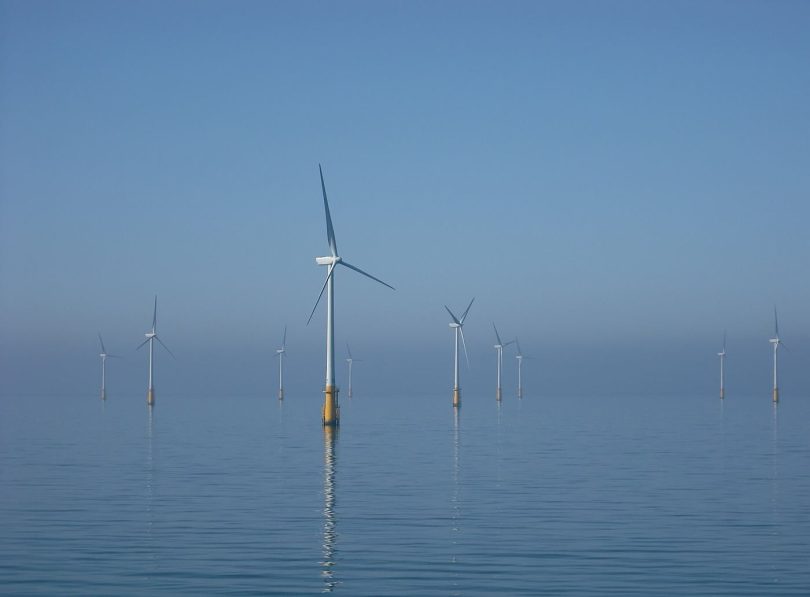

The largest rotating machines ever built stand in the sea, their blades sweeping circles wider than a cathedral is tall, each one capable of powering thousands of homes. Offshore wind has had a turbulent adolescence — a decade of collapsing costs and triumphant expansion, followed by a bruising correction as inflation, interest rates and supply chains turned against projects priced in the cheap years. The industry’s adulthood is now being negotiated in public, and it looks different from both the hype and the obituaries.
The correction, honestly told
Several flagship projects were cancelled or renegotiated when their fixed-price contracts met post-pandemic costs; auction rounds in some countries drew no bids at all at the prices offered. The causes were economic, not technological: steel, vessels and financing all grew dearer simultaneously. Governments have since recalibrated — higher price ceilings, inflation-linked contracts, faster grid connections — and bidding has resumed with the chastened realism of an industry that has learned what its product actually costs to build in deep water.
Reporting by Reuters and industry analyses track the technological counterweight: turbines continue to grow, floating foundations are opening deep-water coasts from California to Japan, and installation fleets are being built whose cranes stand among the tallest structures at sea. On poweredgemagazine.com our engineering coverage follows the supply chain’s quiet reinvention — ports rebuilt as turbine marshaling yards, cable-layers booked years ahead, training colleges for technicians who will maintain machines forty kilometres from shore.
The questions that decide the pace
Our Energy desk identifies the variables that will set offshore wind’s trajectory more than any breakthrough: the price of capital, since these are financing projects wearing engineering clothes; consenting speed; grid landing points; and coexistence with fishing, shipping and defence interests in crowded seas. None are insoluble, and all are slower than a press release.
A heavy industry, settled in
The mature picture is less romantic than the pioneer era and more significant: offshore wind as ordinary heavy industry, employing ports and shipyards for decades, delivering power at prices negotiated like infrastructure rather than gambled like startups. The turbines keep growing. The industry’s achievement will be to become, in the best sense, boring — and the seas of northern Europe, coastal America and East Asia are where that boring, enormous future is being bolted together.
The sea is shared
The industry’s next education is diplomatic. The shallow, windy seas it favours are also fishing grounds, shipping lanes, military exercise areas and the habitat of everything from harbour porpoises to migrating birds. Coexistence is being engineered in earnest: turbine layouts negotiated with fishing fleets, radar and defence concerns designed around, artificial reefs forming on foundations whether invited or not, and monitoring regimes that treat the wind farm as a long-term ecological experiment as well as a power station. The developers earning consent fastest are those who arrive treating other sea users as neighbours rather than obstacles. Offshore wind’s product is electricity. Its licence is the sea’s crowded consent — renewed, like the wind itself, continuously.