
Technology has become the driving force behind modern civilization, transforming how people live, work, communicate, learn, shop, travel, and maintain their health. What once seemed like science fiction is now an integral part of daily life. Artificial intelligence answers questions in seconds, smart homes automate household tasks, wearable devices monitor health in real time.
The pace of innovation has accelerated dramatically over the past decade. Emerging technologies are no longer limited to laboratories or large corporations—they are available in homes, schools, hospitals, and businesses worldwide. These technological breakthroughs are not only making life easier but are also improving productivity, enhancing safety, reducing costs.
From AI-powered assistants to renewable energy solutions, technology is reshaping nearly every aspect of society. Businesses are adopting automation to streamline operations, healthcare providers are using advanced diagnostics to improve patient care, and educational institutions are embracing digital learning platforms that make education more accessible than ever before.
More Read: Top Technology Innovations Businesses Need to Watch in 2026
Artificial Intelligence (AI)
Artificial Intelligence has become one of the most transformative innovations of the 21st century. AI enables computers and machines to perform tasks that traditionally required human intelligence, including learning, reasoning, problem-solving, language understanding, and decision-making.
Today, AI powers virtual assistants like Siri, Google Assistant, and ChatGPT. Businesses use AI for customer support, fraud detection, inventory management, and predictive analytics.
Everyday Applications
- Voice assistants
- Personalized shopping recommendations
- Email spam filtering
- Navigation apps
- Language translation
- Smart home automation
- AI-generated content
Benefits
- Saves time
- Increases productivity
- Reduces repetitive work
- Improves customer experiences
- Enhances business efficiency
Challenges
- Privacy concerns
- Job displacement
- Ethical decision-making
- AI bias
- Data security
Despite these concerns, AI continues to revolutionize industries and improve everyday convenience.
Internet of Things (IoT)
The Internet of Things connects everyday devices to the internet, allowing them to communicate and share data automatically.
Smart homes are among the best examples of IoT technology.
Examples include:
- Smart thermostats
- Security cameras
- Smart refrigerators
- Connected lighting
- Smart doorbells
- Wearable fitness trackers
IoT improves convenience while helping users monitor energy consumption, increase home security, and automate daily routines.
Businesses also rely on IoT to monitor equipment, manage supply chains, and reduce maintenance costs.
Smart Home Technology
Homes have become significantly more intelligent thanks to connected devices.
Modern smart homes include:
- Voice-controlled lighting
- Automated curtains
- Smart locks
- Motion sensors
- Smart speakers
- Home security systems
Benefits include:
- Improved security
- Energy savings
- Greater comfort
- Remote monitoring
- Automated scheduling
Homeowners can now control appliances from anywhere using smartphone apps.
Wearable Technology
Wearable devices have evolved beyond counting steps.
Popular devices include:
- Smartwatches
- Fitness bands
- Smart rings
- Health monitoring patches
These devices monitor:
- Heart rate
- Sleep quality
- Blood oxygen
- Stress levels
- Exercise performance
Doctors increasingly use wearable health data for remote patient monitoring and preventive healthcare.
Telemedicine
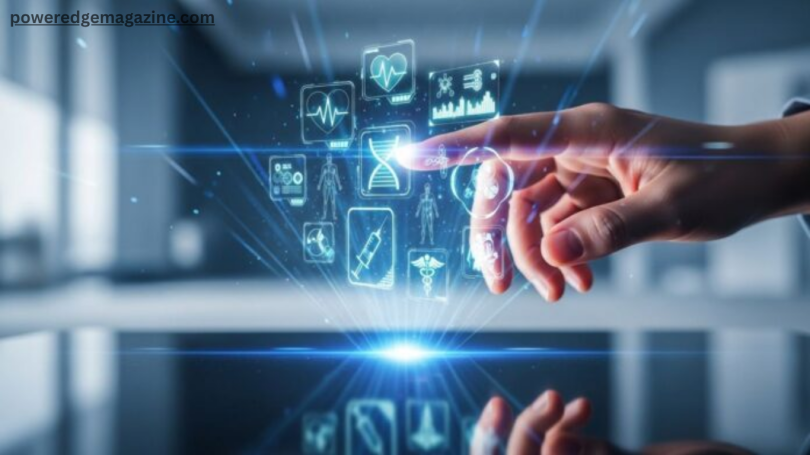
Healthcare has experienced remarkable digital transformation.
Telemedicine allows patients to consult doctors without visiting hospitals.
Advantages include:
- Reduced travel
- Faster consultations
- Better rural healthcare
- Lower healthcare costs
- Easier follow-up appointments
Patients can receive prescriptions, medical advice, and specialist consultations through secure video platforms.
Electric Vehicles (EVs)
Transportation is undergoing a major shift toward sustainability.
Electric vehicles reduce dependence on fossil fuels while lowering emissions.
Popular benefits include:
- Lower fuel costs
- Reduced maintenance
- Quiet operation
- Environmental sustainability
- Government incentives
Charging infrastructure continues expanding worldwide, making EV ownership increasingly practical.
Renewable Energy
Solar panels and wind turbines are becoming more affordable and efficient.
Many homeowners now generate their own electricity.
Benefits include:
- Lower electricity bills
- Reduced carbon footprint
- Energy independence
- Cleaner environment
Battery storage systems allow renewable energy to be stored for nighttime use.
5G Connectivity
The rollout of 5G networks delivers significantly faster internet speeds.
Benefits include:
- Lower latency
- Faster downloads
- Better streaming
- Improved online gaming
- Enhanced remote work
5G also enables innovations like autonomous vehicles, smart cities, and advanced industrial automation.
Cloud Computing
Cloud computing has changed how individuals and businesses store and access information.
Instead of relying on local devices, users can securely access files online.
Advantages include:
- Automatic backups
- Collaboration
- Remote work
- Reduced IT costs
- Scalable storage
Cloud services have become essential for businesses of every size.
Cybersecurity Innovations
As digital dependence increases, cybersecurity becomes increasingly important.
Modern cybersecurity includes:
- Multi-factor authentication
- Biometric security
- AI threat detection
- Encryption
- Zero-trust security
Individuals should also practice:
- Strong passwords
- Software updates
- Safe browsing
- Data backups
Cybersecurity protects both personal and business information.
Digital Payments and FinTech
Cashless payments have become part of daily life.
Consumers use:
- Mobile wallets
- Contactless cards
- QR code payments
- Online banking
- Digital transfers
Benefits include:
- Convenience
- Speed
- Better financial tracking
- Improved security
Financial technology has expanded banking access worldwide.
Online Education
Learning has become more flexible than ever.
Students now access:
- Online courses
- Virtual classrooms
- Interactive simulations
- AI tutors
- Digital textbooks
Benefits include:
- Flexible schedules
- Lower costs
- Global access
- Self-paced learning
Lifelong learning is becoming increasingly common.
Robotics and Automation
Automation has expanded into manufacturing, healthcare, agriculture, and logistics.
Robots perform tasks such as:
- Warehouse operations
- Surgery assistance
- Farming
- Cleaning
- Package delivery
Automation reduces repetitive labor while improving efficiency and precision.
Augmented Reality (AR) and Virtual Reality (VR)
AR overlays digital information onto the real world, while VR creates immersive virtual environments.
Applications include:
- Gaming
- Education
- Medical training
- Virtual tourism
- Product visualization
- Employee training
Businesses increasingly use AR and VR to improve customer experiences.
Smart Cities
Cities are adopting technology to improve public services.
Examples include:
- Smart traffic lights
- Intelligent parking
- Air quality monitoring
- Public safety systems
- Energy-efficient lighting
Smart city initiatives improve sustainability, reduce congestion, and enhance residents’ quality of life.
Challenges of Rapid Technological Growth
Despite the many benefits, technological progress also presents challenges:
- Cybersecurity threats
- Data privacy concerns
- Digital inequality
- Job displacement
- Ethical AI issues
- Electronic waste
- Misinformation
Governments, businesses, and technology companies must work together to ensure responsible innovation.
The Future of Everyday Technology
Over the next decade, technology is expected to become even more integrated into daily life.
Future innovations may include:
- Fully autonomous vehicles
- AI personal assistants with advanced reasoning
- Smart healthcare powered by predictive diagnostics
- Sustainable energy systems
- Quantum computing applications
- Advanced robotics
- Personalized education through AI
- Brain-computer interfaces
- Smart agriculture
- Fully connected smart cities
These advancements promise greater convenience, improved healthcare, cleaner energy, and more efficient businesses.
Frequently Asked Question
What is the most influential technology breakthrough today?
Artificial Intelligence (AI) is widely considered the most influential breakthrough because it powers automation, smart assistants, healthcare innovations, business analytics, and personalized digital experiences.
How has technology improved everyday life?
Technology has improved communication, healthcare, education, transportation, entertainment, financial services, and workplace productivity while making many daily tasks faster and more convenient.
What are smart homes?
Smart homes use internet-connected devices to automate lighting, security, heating, appliances, and other household functions, allowing users to control them remotely through smartphones or voice assistants.
Why are electric vehicles becoming popular?
Electric vehicles offer lower operating costs, reduced maintenance, quieter performance, and lower carbon emissions, making them an environmentally friendly alternative to traditional gasoline-powered vehicles.
How does wearable technology benefit health?
Wearable devices track heart rate, sleep patterns, physical activity, blood oxygen levels, and other health metrics, helping users monitor wellness and detect potential health issues early.
What challenges come with rapid technological advancement?
Key challenges include cybersecurity threats, privacy concerns, job displacement due to automation, ethical AI issues, digital inequality, and electronic waste.
What technologies will shape the future?
Artificial Intelligence, quantum computing, renewable energy, robotics, autonomous vehicles, biotechnology, advanced healthcare systems, augmented reality, virtual reality, and smart cities are expected to have the greatest impact on the future.
Conclusion
Technology breakthroughs are fundamentally redefining everyday life. From artificial intelligence and smart homes to renewable energy, cloud computing, and wearable health devices, innovation is transforming how people interact with the world around them. While challenges such as cybersecurity, privacy, and ethical concerns remain, the benefits of technological advancement continue to outweigh the risks when implemented responsibly. Individuals, businesses, and governments all have important roles in ensuring technology is developed and used for the benefit of society.