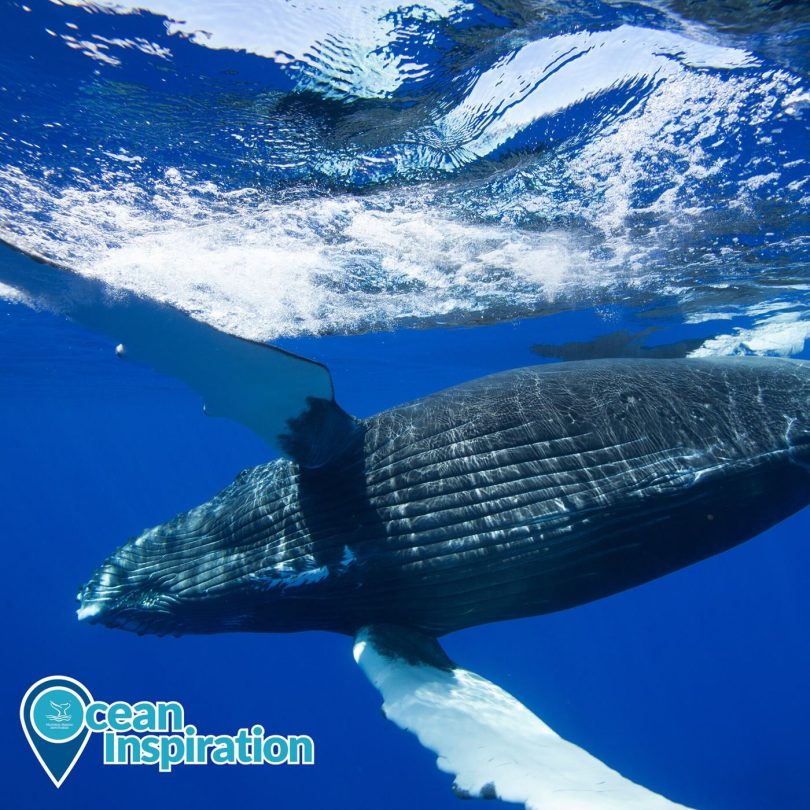

Humpback whale song is one of the longest and most complex vocal displays in the animal kingdom, and it can travel for hundreds of kilometres through the sea. Sound moves far more efficiently in water than in air, so a low-frequency call made in deep water can still be heard across an entire ocean basin. Male humpbacks sing elaborate, structured songs during the breeding season, repeating themes that evolve over weeks and months. Researchers listen with underwater microphones called hydrophones, recording the songs and tracing how they change. Each population has its own song, yet new phrases spread from one group to another, carried across the ocean like a fashion. Some songs last for hours and contain hundreds of distinct sounds, arranged in phrases, themes and verses that follow rules not unlike those of human music.
What the Evidence Shows
Scientists study whale song for what it reveals about learning, culture and communication in animals that cannot see each other across dark water. Young whales appear to learn their songs from older males, and a catchy new phrase can sweep through a population within a single season. The same sensitivity to sound makes whales vulnerable to human noise: shipping, seismic surveys and naval sonar can drown out their calls, masking the songs that hold groups together. Protecting quiet corridors in the ocean is therefore becoming part of conservation, alongside limits on hunting and pollution, so that these remarkable voices can still be heard. Researchers are now using artificial intelligence to sort through thousands of hours of recordings, mapping how songs travel between populations and change over time. Reporting and analysis from sources such as NASA track the same developments, and specialists following the whale songs travelling across ocean basins say the direction is now consistent across independent lines of evidence.
The Wider Context
Funding bodies are watching the whale songs travelling across ocean basins closely because the work sits at the junction of basic curiosity and practical return. Grant panels increasingly ask for a path from discovery to application, while researchers push back that the most valuable uses of fundamental science are rarely the ones written into the original proposal. The tension is productive when both sides stay honest about timescales.
What Happens Next
The long view on the whale songs travelling across ocean basins is that fields advance by accumulation rather than by single announcements. This result adds a solid, checkable piece to a structure many teams are building, and its authors have shared their data so the piece can be tested from every side. That is how the picture eventually becomes reliable enough to act on. You can follow related developments in our coverage of science.
It is also worth remembering how quickly the picture in this area has changed before. Positions that looked settled a few years ago have been revised as new data arrived, and the same humility is appropriate now. The strongest coverage of this subject, and the most useful advice, tends to come from sources that update their views openly when the facts move, rather than defending an earlier position long after it has stopped fitting the evidence available.